Author: Rishabh

  • Composting – A Sustainable Solution for Organic Waste

    Composting – A Sustainable Solution for Organic Waste

    Composting is the biological decomposition of organic waste under controlled aerobic conditions to produce nutrient-rich manure.

    Types of Composting

    1. Aerobic Composting – Requires oxygen; faster process
    2. Vermicomposting – Uses earthworms (Eisenia fetida)
    3. In-vessel Composting – Used in urban and industrial setups

    Scientific Facts

    • Composting reduces waste volume by 40–60%
    • Finished compost improves soil water retention by up to 30%
    • Reduces chemical fertilizer requirement by 20–30%

    Environmental Benefits

    • Improves soil fertility
    • Reduces landfill dependency
    • Lowers carbon footprint
    • Enhances agricultural productivity

    Composting transforms waste into a valuable resource, promoting circular economy principles.
  • Biodegradable Waste – Meaning, Types, and Environmental Impact

    Biodegradable Waste – Meaning, Types, and Environmental Impact

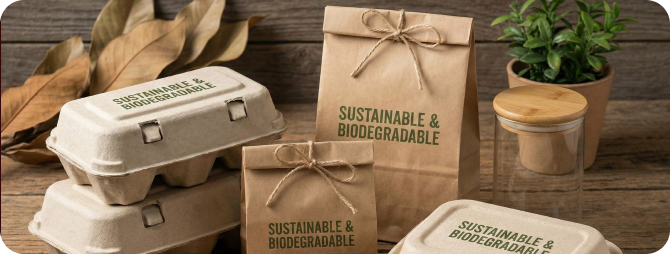
    Biodegradable waste refers to organic materials that can be decomposed naturally by microorganisms such as bacteria and fungi. Common examples include food waste, vegetable peels, paper, garden waste, and agricultural residues.

    Key Data

    • Globally, 44% of municipal solid waste is organic in nature (World Bank).
    • India generates over 62 million tonnes of waste annually, out of which about 50–55% is biodegradable.
    • When dumped in landfills, biodegradable waste releases methane, a greenhouse gas 25 times more harmful than CO₂.

    Environmental Impact

    • Causes soil and groundwater contamination when unmanaged
    • Produces foul odor and attracts disease-carrying organisms
    • Major contributor to climate change due to methane emissions

    Solution

    • Source segregation (wet and dry waste separation)
    • Composting and biomethanation
    • Community-level organic waste management systems

    Proper handling of biodegradable waste can significantly reduce landfill burden and greenhouse gas emissions.

  • How Integrated Waste and Water Management Supports a Greener Future

    How Integrated Waste and Water Management Supports a Greener Future

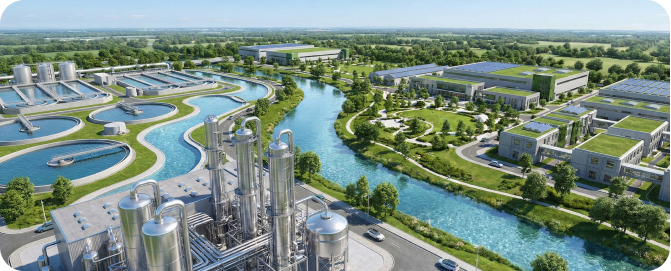
    Integrated waste and water management focuses on treating waste and water as valuable resources rather than disposal problems. Biodegradable waste can be used to generate energy, while treated wastewater can be reused for agriculture and industrial applications.

    This approach reduces reliance on natural resources and minimizes environmental pollution. For example, organic waste can fuel biogas plants, and treated wastewater can help conserve freshwater supplies.

    By adopting integrated and eco-friendly systems, communities and industries can significantly reduce their carbon footprint and move toward a more sustainable and resilient future.

  • Eco-Friendly Technologies in Modern Water Treatment Systems

    Eco-Friendly Technologies in Modern Water Treatment Systems

    Advancements in technology have transformed water treatment systems into more sustainable and eco-friendly solutions. Membrane filtration, ultraviolet disinfection, and constructed wetlands are examples of green technologies used today.

    These technologies reduce chemical dependency, lower energy consumption, and improve treatment efficiency. For instance, UV disinfection eliminates harmful microorganisms without producing toxic by-products.

    Eco-friendly water treatment systems not only protect the environment but also reduce operational costs in the long term. They are especially beneficial for industries and municipalities aiming to meet strict environmental regulations.

  • Wastewater Treatment Plants and Environmental Protection

    Wastewater Treatment Plants and Environmental Protection

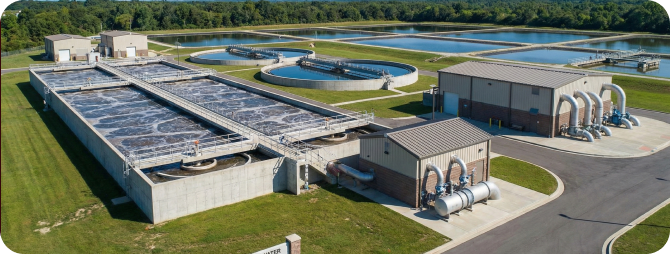
    Wastewater treatment plants (WWTPs) treat sewage and industrial effluents before releasing them into natural water bodies. Untreated wastewater can severely damage rivers, lakes, and groundwater sources.

    The treatment process typically includes primary, secondary, and tertiary treatment stages. Primary treatment removes solids, secondary treatment breaks down organic matter using biological processes, and tertiary treatment removes nutrients and pathogens.

    Modern wastewater treatment plants are increasingly designed to be energy-efficient and environmentally friendly. Many facilities recover energy from sludge, recycle treated water for irrigation, and minimize chemical usage to reduce environmental impact.


  • Understanding Water Treatment Plants and Their Importance

    Understanding Water Treatment Plants and Their Importance

    A water treatment plant is a facility designed to treat raw water and make it safe for human consumption or industrial use. These plants remove physical, chemical, and biological contaminants from water through multiple treatment stages.

    Typical treatment processes include screening, coagulation, sedimentation, filtration, and disinfection. Each stage ensures the removal of harmful particles, pathogens, and dissolved impurities that may pose health risks.

    Water treatment plants are essential for public health, environmental protection, and economic development. They help prevent waterborne diseases, protect aquatic ecosystems, and ensure a reliable water supply for growing populations.

  • Role of Biodegradable Waste in Sustainable Waste Management

    Role of Biodegradable Waste in Sustainable Waste Management

    Sustainable waste management focuses on reducing environmental impact while recovering value from waste. Biodegradable waste forms a significant portion of municipal solid waste and offers immense opportunities for resource recovery.

    Through processes like composting and anaerobic digestion, biodegradable waste can be converted into organic manure and biogas. Compost improves soil structure and fertility, while biogas serves as a renewable energy source for cooking, electricity, and heating.

    Effective segregation at the source is key to sustainable biodegradable waste management. When organic waste is separated from recyclables and hazardous waste, treatment becomes more efficient, economical, and environmentally friendly.


  • What Is Biodegradable Waste and Why It Matters for the Environment

    What Is Biodegradable Waste and Why It Matters for the Environment

    Biodegradable waste refers to organic materials that can be broken down naturally by microorganisms such as bacteria and fungi. Common examples include food scraps, garden waste, paper, and agricultural residues. Unlike plastic or synthetic waste, biodegradable waste decomposes over time and returns nutrients to the soil.

    Proper management of biodegradable waste plays a crucial role in reducing landfill pressure and greenhouse gas emissions. When organic waste is dumped in landfills without oxygen, it produces methane, a potent greenhouse gas. Composting and bio-treatment methods help prevent this while improving soil health.

    Governments and industries worldwide are encouraging composting, biogas production, and organic waste segregation to create a circular economy. By managing biodegradable waste responsibly, communities can reduce pollution and promote sustainable development.