
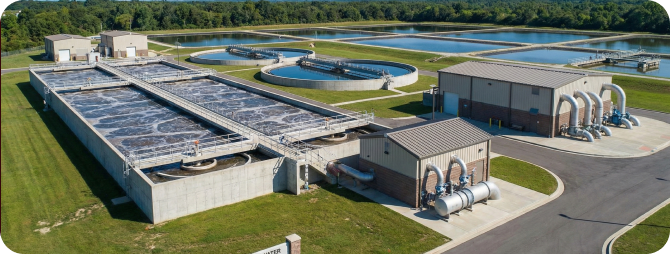
A water treatment plant is a facility designed to treat raw water and make it safe for human consumption or industrial use. These plants remove physical, chemical, and biological contaminants from water through multiple treatment stages.
Typical treatment processes include screening, coagulation, sedimentation, filtration, and disinfection. Each stage ensures the removal of harmful particles, pathogens, and dissolved impurities that may pose health risks.
Water treatment plants are essential for public health, environmental protection, and economic development. They help prevent waterborne diseases, protect aquatic ecosystems, and ensure a reliable water supply for growing populations.